|
Home Alone isn't much fun
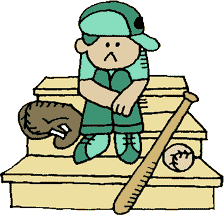 |
When you look at the school playground, you see clusters of children, playing games, sharing conversations and relishing each other's companionship. A little way off are the kids who look longingly at their classmates - kids whose fondest wish is to fit in, but who somehow lack the social sense to make it work. All too frequently our learning disabled children, those who can't find the sounds and cues to master reading, are equally inept at acquiring people skills. Academics must be slowly, systematically taught. So too, social skills may be developed under the patient tutelage of parents and teachers.
|
When you look at the school playground, you see clusters of children, playing games, sharing conversations and relishing each other's companionship. A little way off are the kids who look longingly at their classmates - kids whose fondest wish is to fit in, but who somehow lack the social sense to make it work. All too frequently our learning disabled children, those who can't find the sounds and cues to master reading, are equally inept at acquiring people skills. Academics must be slowly, systematically taught. So too, social skills may be developed under the patient tutelage of parents and teachers.
Social Milestones
Babies play happily alone or share their babbles with parents. Soon toddlers become aware and interested in age mates, imitating their actions or engaging in parallel conversations. Preschoolers reluctantly learn such skills as turn taking and sharing toys. Soon they begin to enjoy the give and take necessary for social interaction. Friendships, at first temporal and fleeting, become stable as children share activities and interests. They learn to understand the facial expressions and body language that invite conversation and ongoing activity. Play groups grow as youngsters acquire the sophistication to cope with an increasing sphere of playmates.
Getting Started
The importance of 'getting along' cannot be understated. Children develop the foundations for friendship in childhood and carry them into adulthood. Youngsters who thrust themselves into groups, only to be continually rejected are likely to become unhappy, frustrated adults. If this gloomy picture describes your child, here are some ideas for remedying your situation.
|
Making it work
While many children spontaneously learn appropriate language and gestures, social isolates do not. Engage your youngster in conversation. Does he look and listen to you - or does he seem distracted? Is he able to add to discussions or are his comments
For school age children, engage their cooperation in developing conversation skills: attending, responding, using appropriate gestures and body language. And watch out for position.
Learning disabled students are notorious for hovering over peers or for standing so far away as to be excluded from groups. They also may have difficulty perceiving their effect on others. Pushing, shoving, name calling and sarcasm seldom lead to positive results.
First, remember all learning proceeds in a step by step fashion. We can't expect Johnny to become Mr. Popularity tomorrow. For younger children, identify a neighborhood child who might become an appropriate playmate. Set up a structured activity, a special lunch at McDonald's or a short home visit centering around a particular set of toys. Careful observation will tell you just how much supervision your child needs. Keep visits brief, but make ongoing.
|
|
|